
Hemp As A Natural Remedy: What The Evidence Really Says
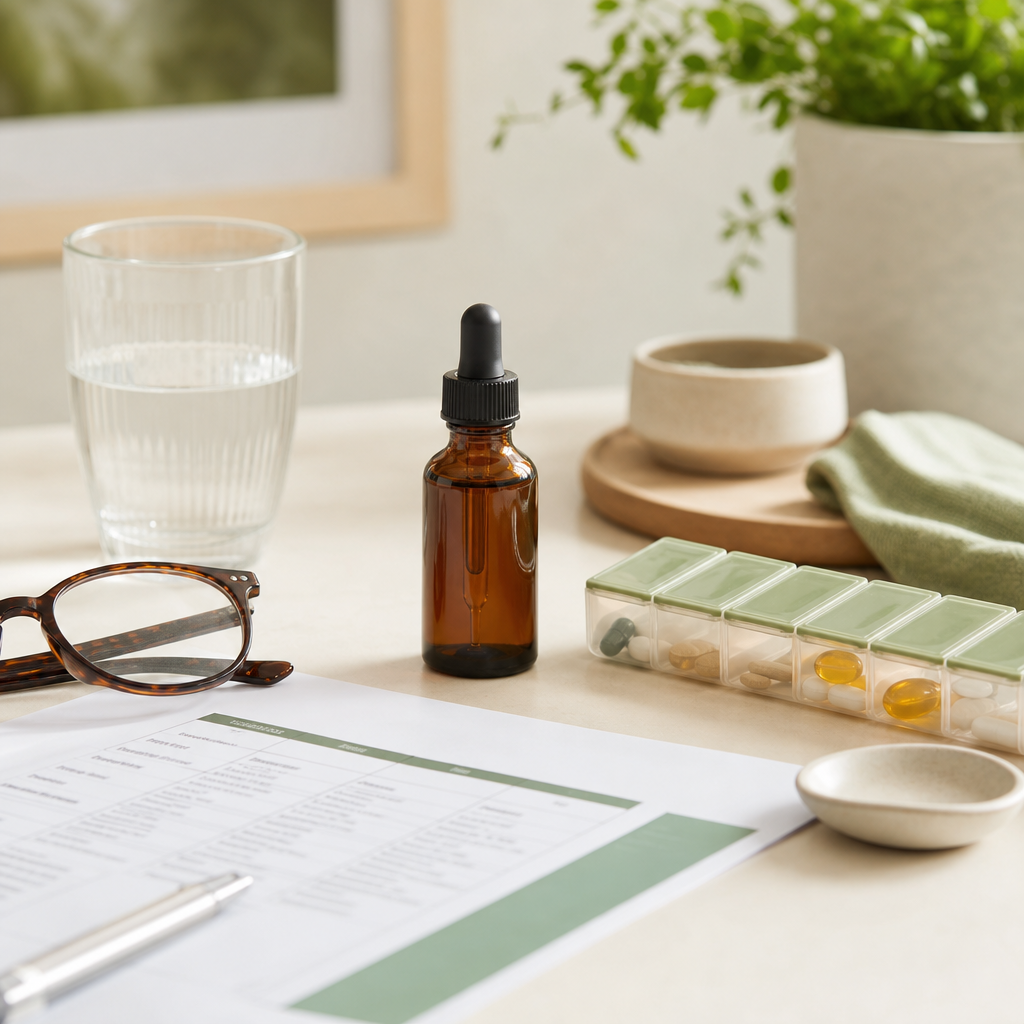
Hemp basics · Evidence · Safety
Can hemp truly support natural wellness?
Hemp has a long history as a source of food, fiber, oil, and plant compounds. But hemp seeds, hemp seed oil, and hemp-derived CBD are not interchangeable—and very different levels of evidence support their potential benefits.
Complex research explained clearly
Benefits and limitations considered
Interactions and product quality matter
The quick answer
Hemp may have a place in a wellness-focused lifestyle, but the word “hemp” covers several very different products. Hemp seeds and hemp seed oil are primarily foods with useful protein and fatty acids. Hemp-derived CBD is a biologically active compound being studied for several health applications. Still, evidence for ordinary retail CBD remains limited or mixed outside a small number of specific medical uses.
The safest approach is to identify exactly which kind of hemp product you are considering, understand what research does—and does not—show, and discuss CBD with a healthcare professional when medications or ongoing health conditions are involved.
This article is for educational purposes and is not medical advice. Hemp-derived CBD can cause side effects and interact with prescription or over-the-counter medications. Do not use it to delay professional evaluation or replace a prescribed treatment.
Start with the product.
“Hemp” does not describe just one remedy
Before examining potential benefits, it helps to separate three product categories that are often grouped in advertising.
| Product | What it contains | Common use | Evidence position |
|---|---|---|---|
| Hemp seeds or hearts | Protein, polyunsaturated fats, minerals, and varying amounts of fiber | Food and nutrition | Established nutritional value |
| Hemp seed oil | Fatty acids pressed from hemp seeds; normally little or no meaningful CBD | Cooking, dressings, and skin moisturization | Primarily a food or cosmetic ingredient |
| Hemp-derived CBD | Cannabidiol is extracted mainly from hemp flowers and aerial plant material. | Oils, capsules, gummies, and topicals | Biologically active; benefits and risks vary by use |
This difference matters because a bottle labeled “hemp oil” might contain nutritious seed oil but virtually no CBD. Another product may contain a measured amount of CBD, additional cannabinoids, and possibly trace THC. The label should make that distinction clear.
For a broader introduction to the plant, begin with
What Is Hemp? Understanding Its Origins and Uses.
A legal distinction
Hemp and marijuana can come from the same plant species
In the United States, hemp is a legal classification for Cannabis sativa L. that remains within the applicable federal THC limit. Marijuana generally refers to cannabis that exceeds that limit.
That legal distinction does not guarantee that every finished hemp-derived product is THC-free, accurately labeled, nonintoxicating, or legal in every state.
Read the complete comparison in
The Difference Between Hemp and Cannabis.
Inside the body
How hemp-derived CBD may interact with the body
The body has a signaling network called the endocannabinoid system, or ECS. It includes naturally produced signaling molecules, receptors, and enzymes. Researchers continue to study its involvement in processes such as pain signaling, appetite, memory, stress responses, immune activity, and sleep.
THC interacts strongly with certain cannabinoid receptors, particularly CB1 receptors in the brain. CBD behaves differently. It does not simply attach to CB1 and CB2 receptors and “switch on” balance. Instead, it appears to indirectly influence several receptors, enzymes, and signaling pathways.
Researchers often describe the ECS as helping regulate biological processes, but that does not prove that taking retail CBD will automatically “restore balance” or treat a particular medical condition.
CBD is considered nonintoxicating by itself, but full-spectrum products may contain THC. Product contamination, inaccurate labeling or the use of other hemp-derived intoxicating cannabinoids can also change how a product affects someone.
Benefits and boundaries
What does the evidence say about hemp as a remedy?
The strongest answer depends on whether we are discussing hemp as food, a prescription cannabinoid medicine, or an over-the-counter CBD product.
Hemp as a nutritious food
Hemp seeds provide protein, essential fatty acids and several minerals. They contain all nine essential amino acids, although amino acid proportions, serving size, and digestibility still influence their overall nutritional contribution.
Prescription CBD for certain seizures
The FDA has approved a purified prescription CBD drug for seizures associated with several rare conditions. That approval applies to the specific medicine, dose, manufacturing standards and conditions—not to retail CBD products generally.
Everyday wellness claims
CBD is widely marketed for pain, anxiety, sleep, and skin concerns. Research is continuing, but evidence for common nonprescription products is not strong enough to treat those claims as settled facts.
Pain and inflammation
Cannabinoid research has found small or short-term benefits in some chronic-pain studies. However, many trials involved THC, prescription cannabinoid preparations, or combinations of THC and CBD—not the low-dose hemp-derived CBD oils commonly found online or in stores.
A person’s pain can also have many causes. Persistent, severe, or unexplained pain deserves professional evaluation rather than being managed solely with a wellness product.
Stress and anxiety
Several small studies have explored CBD in anxiety-related situations, and some findings are encouraging. The research remains preliminary, though. Study doses may also be far higher than the amount in a typical retail serving.
CBD should not be described as a proven treatment for an anxiety disorder, and it should not replace therapy, prescribed medication, or other professional care.
Sleep
Some people report feeling calmer or sleepier after using CBD. Current research has not clearly established whether CBD directly improves insomnia, whether any sleep improvement comes from changes in another symptom, or which dose and formulation would be appropriate.
Drowsiness is also a potential side effect. Feeling sedated does not always mean that sleep quality has improved.
Skin comfort
Hemp seed oil contains fatty acids and can serve as an emollient that helps soften and moisturize dry skin. Topical cannabinoid research is still developing, and ordinary hemp or CBD cosmetics should not be presented as proven treatments for eczema, psoriasis, acne, or other medical skin conditions.
Food versus extract
Hemp seeds may be the plant’s most straightforward wellness product
Hemp seeds and hemp hearts can add plant protein and polyunsaturated fats to meals without the pharmacological questions surrounding concentrated CBD extracts.
A scientific review of hemp as a food and nutritional supplement describes hemp seed as a source of protein, lipids, carbohydrates, fiber, vitamins,s and minerals.
Nutrition in practical terms
What hemp seeds and hemp seed oil can contribute
Plant protein
Hemp hearts can be sprinkled over oatmeal, salads, yogurt, or vegetables. They provide protein and contain all nine essential amino acids, although they should still be viewed as one part of a varied diet.
Unsaturated fats
Hemp seeds and their oil provide omega-6 and omega-3 fatty acids. Hemp seed oil is best used according to its label and storage directions because highly unsaturated oils can be sensitive to heat, light, and oxidation.
Fiber differences
Whole hemp seeds retain more of the outer hull and generally provide more fiber than shelled hemp hearts. Product labels offer the most reliable way to compare actual fiber content.
No automatic CBD benefit
CBD is produced primarily in resinous plant material, not inside the seed. Hemp seed oil should not be assumed to provide the same effects—or risks—as a product formulated with CBD extract.
Hemp foods are nutritious, but they should not be promoted as treatments for high blood pressure, gastritis, wrinkles, heart disease, or other medical conditions without strong clinical evidence.
Know what you are buying.
Common forms of hemp and how they differ
Seeds, hearts, and protein powders
Primarily nutritional foods. Compare serving size, protein, fiber, sodium, and added ingredients.
Hemp seed oil
A culinary or cosmetic oil. It should not be confused with CBD oil unless CBD is specifically listed with a per-serving amount.
CBD oils and tinctures
Concentrated extracts are taken by mouth or under the tongue. Potency, ingredients, THC content, and quality can differ significantly.
Capsules and gummies
Premeasured products that pass through the digestive system. Effects may be delayed, making it important not to take more simply because nothing is felt immediately.
Topical creams and balms
Applied to the skin. A topical cosmetic differs from a transdermal product, which is designed to deliver ingredients through the skin.
Full-spectrum products
May contain CBD, other cannabinoids, and permitted amounts of THC. They can carry a greater drug-testing or impairment concern than a verified THC-free product.
Safety deserves equal attention.
CBD can change how medications affect the body
CBD is biologically active. It can affect enzymes that process certain medicines, potentially increasing side effects or reducing how well a medication works.
The risk depends on the medication, CBD dose, frequency of use, personal health, and other substances being taken.
Before combining products, read
Can CBD Interact With Medications?
Natural does not mean risk-free
Important CBD precautions
The FDA has identified several concerns associated with CBD, including medication interactions, liver injury, changes in alertness, gastrointestinal symptoms, and incomplete information about long-term use.
Speak with a physician or pharmacist before using CBD when:
- You take prescription or over-the-counter medications.
- You use a blood thinner, seizure medicine, sedative, or medication processed by the liver.
- You have liver disease or abnormal liver-test results.
- You are preparing for surgery or a medical procedure.
- You are pregnant, trying to become pregnant, or breastfeeding.
- The product is being considered for a child or adolescent.
CBD may cause sleepiness, diarrhea, appetite changes, abdominal discomfort, irritability, or other unwanted effects. Combining it with alcohol, sleep aids, or other sedating substances may increase drowsiness and injury risk.
Do not drive, operate machinery, or perform hazardous work until you know how a product affects you. Keep all cannabinoid products securely away from children and pets, especially gummies or other products that resemble ordinary food.
A full-spectrum or inaccurately labeled product may contain enough THC to contribute to a positive drug test. “Hemp-derived” does not necessarily mean “THC-free.”
Shop with a checklist.
How to evaluate a hemp-derived CBD product
Terms such as “natural,” “premium,” “organic” and “CO₂ extracted” can sound reassuring, but none independently proves that a finished product is pure, potent or accurately labeled.
Look for all of the following:
- A recent, batch-specific certificate of analysis from an independent laboratory.
- A laboratory report with a lot number that matches the package.
- Clearly reported CBD and THC amounts per serving—not merely total hemp extract.
- Screening for pesticides, heavy metals, residual solvents, and microbial contamination.
- A complete ingredient list and clearly stated serving size.
- Contact information for the manufacturer or responsible distributor.
- Storage instructions and an expiration or best-by date.
- Marketing that avoids promises to cure, prevent, or treat diseases.
State rules for hemp-derived products can differ. Check the rules where you live and where you travel, especially when a product contains measurable THC or newer intoxicating cannabinoids.
Build your hemp knowledge one careful step at a time
Understanding the plant, product label, and evidence behind a claim makes it easier to separate useful information from persuasive marketing.
Frequently asked questions
Questions about hemp as a natural remedy
Is hemp the same thing as marijuana?
They can come from the same plant species, Cannabis sativa L., but their THC concentration legally distinguishes them. Hemp must remain within the applicable federal THC limit. State laws and finished-product rules can differ.
Does hemp seed oil contain CBD?
Hemp seeds do not naturally contain meaningful concentrations of CBD. Hemp seed oil is primarily a food or cosmetic oil unless CBD extract has been deliberately added and identified on the label.
Can hemp-derived CBD make you feel high?
Pure CBD is not considered intoxicating. However, full-spectrum, contaminated, mislabeled, or high-THC products may cause impairment. Some products sold as hemp-derived also contain other intoxicating cannabinoids.
Is CBD proven to help with pain, anxiety, or sleep?
Research has produced some promising results, but evidence remains limited or mixed for ordinary retail CBD products. Many studies have been small, used high doses, or evaluated products containing THC as well as CBD.
Can CBD interact with prescription medications?
Yes. CBD can affect enzymes involved in metabolizing certain medications. That may increase side effects or change how well a medication works. A physician or pharmacist can evaluate the specific product-medication combination.
Can hemp-derived products cause a positive drug test?
They can. Full-spectrum products may contain THC, and product labels are not always accurate. Anyone subject to workplace or legal testing should understand that even products promoted as compliant hemp may carry some risk.
Are hemp foods generally different from CBD supplements?
Yes. Hemp hearts, seeds, protein powder, and seed oil are primarily nutritional products. CBD oils, capsules, and gummies contain a biologically active cannabinoid and require additional attention to dosage, interactions, side effects, and quality.
The balanced conclusion
Is hemp a natural remedy?
Hemp is better understood as a versatile plant category than as one universal remedy. Its seeds and seed oil can be used as food. Hemp-derived CBD is biologically active and scientifically interesting, but its benefits depend on the exact product, dose, condition, and quality of evidence.
The most trustworthy approach avoids two extremes: dismissing every potential use and accepting every wellness promise. Look for reliable evidence, read labels closely, consider medication and health risks, and involve a qualified healthcare professional when the decision goes beyond ordinary food use.
That careful approach does not diminish hemp’s potential. It helps readers explore that potential with clearer expectations and a safer plan.
Trusted sources and further reading
A Review of Hemp as Food and Nutritional Supplement
U.S. Food and Drug Administration: What to Know About Products Containing Cannabis and CBD
National Center for Complementary and Integrative Health: Cannabis and Cannabinoids
U.S. Department of Agriculture: Hemp Frequently Asked Questions
Editorial note: Research involving cannabis, mixed THC/CBD medicines, or prescription cannabinoid products should not automatically be treated as proof that an over-the-counter hemp-derived CBD product will produce the same result.