

Stumbling upon hemp’s medicinal benefits can feel a little overwhelming when you’re just starting out. With hemp gaining more attention in wellness circles and mainstream health shops, there is a lot to sort through. I’ll share what I’ve learned, explain the basics behind hemp’s health properties, and offer advice backed by research and real-world experience. This guide is for people who want straightforward, reliable answers about hemp’s role in health.
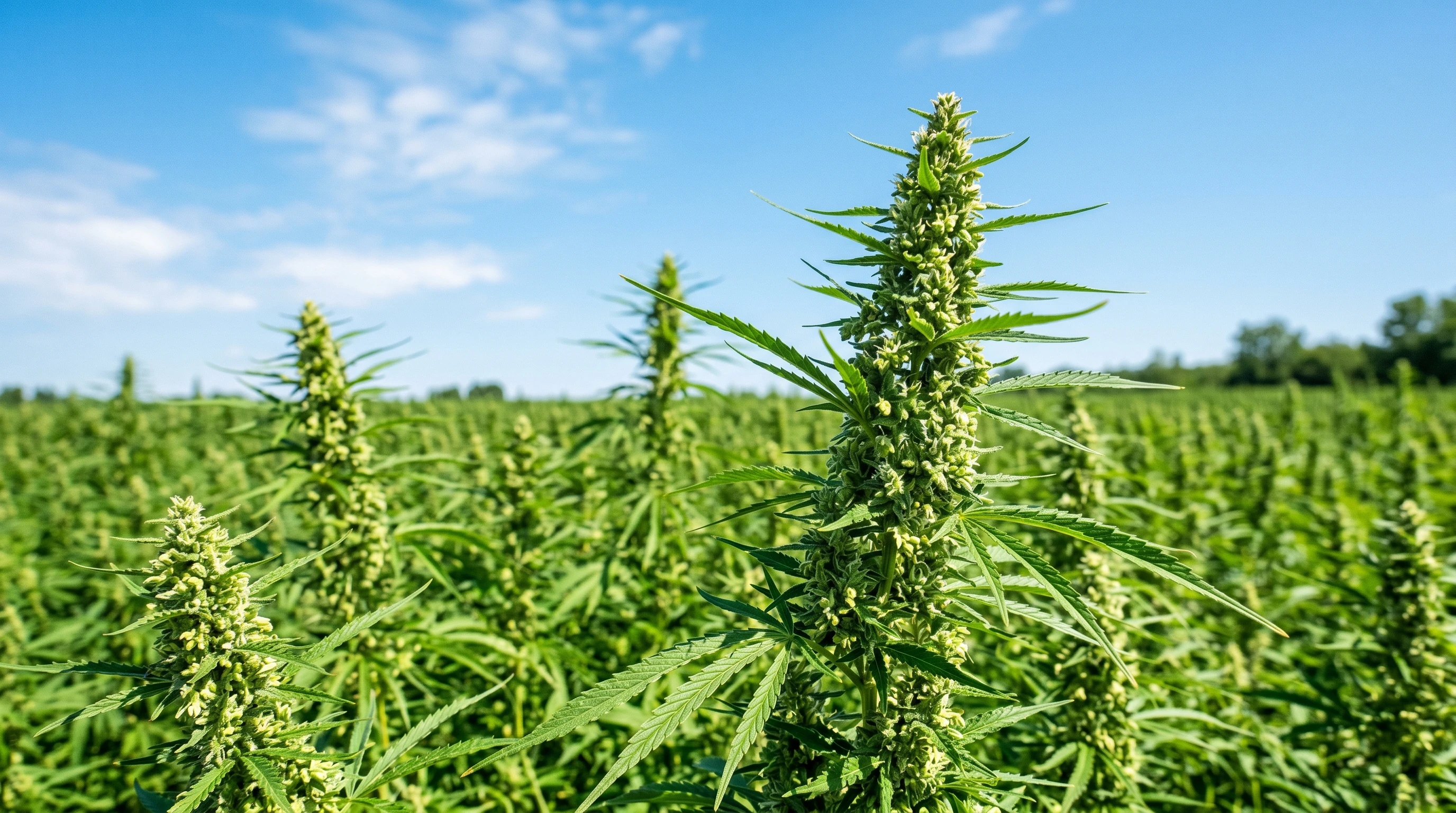
Understanding Hemp and Its Place in Natural Health
Hemp is a type of Cannabis sativa plant, but it’s different from marijuana. It contains only small amounts of THC, which is the compound that causes a high in marijuana. Instead, hemp is prized for its cannabidiol (CBD) and other nonintoxicating cannabinoids, plus a mix of nutrients, fatty acids, and plant compounds. Whether it’s through daily supplements or topical applications, hemp has become an increasingly popular option for folks seeking natural health solutions.
People have grown hemp for thousands of years, mostly for its fibers and seeds. Recently, attention has switched up toward its medicinal qualities. Products like hemp-derived CBD oil, capsules, balms, and even protein powders are now easy to find in stores and online. According to the World Health Organization, CBD is generally considered safe and may provide various health benefits without the mind-altering effects linked to THC. Hemp’s resurgence in natural wellness circles reflects a newfound appreciation for plant-based approaches to health.
Unlike many new trends, hemp’s medicinal benefits are supported by a growing body of scientific studies. However, research is still ongoing, and the industry is not tightly regulated everywhere. That’s why I always look for products that have been third-party tested and stick with trusted brands. Over the past decade, the push for transparency in the hemp market has helped raise standards and offer well-informed choices for consumers.
Common Medicinal Uses of Hemp
When beginners ask what hemp can actually help with, these are the most well-studied and commonly discussed uses:
- Reducing Anxiety and Stress: Many people find that hemp-derived CBD helps them manage daily stress or occasional anxiety. Animal and human studies have shown that CBD may affect serotonin signals, which influence mood and stress response.
- Promoting Better Sleep: Hemp supplements are popular among those who struggle with falling or staying asleep. While research is still developing, some studies and user reports suggest CBD might help people get more restful sleep, especially if anxiety or pain is a factor.
- Managing Pain and Inflammation: Research supports that CBD, one of hemp’s natural compounds, may help ease discomfort from inflammatory conditions like arthritis, muscle aches, or chronic pain. The way it interacts with the body’s endocannabinoid system can help regulate pain signals and the body’s inflammatory response.
- Supporting Skin Health: Hemp seed oil and topical CBD creams are used to soothe irritated skin and reduce symptoms in conditions like eczema or psoriasis. The fatty acids in hemp oil, along with antiinflammatory effects, play a role here.
I’ve personally seen hemp balms help with minor aches, and I know people who rely on CBD drops to manage stress during busy workdays. It’s important to note that these benefits don’t come from the psychoactive effects found in marijuana, so you won’t feel high when using hemp products responsibly. More and more, hemp users are sharing their stories online, helping newcomers feel more comfortable as they experiment with trying hemp-based remedies for their own health needs.
Hemp’s Active Components: What Makes It Useful?
If you’re new to hemp, a few main ingredients drive its medicinal benefits. Here’s a breakdown:
- Cannabidiol (CBD): This is the most well-known nonintoxicating compound in hemp. It works by interacting with the body’s endocannabinoid system, which helps manage functions such as mood, pain, appetite, and sleep.
- Other Cannabinoids: Besides CBD, hemp contains small amounts of cannabigerol (CBG), cannabinol (CBN), and more. These may have their own health effects, often working together in what researchers call the entourage effect.
- Hemp Seed Oil: Made by cold-pressing hemp seeds, this oil doesn’t contain significant CBD but is rich in omega3 and omega6 fatty acids, antioxidants, and vitamins. It supports healthy skin, joints, and brain function. Hemp seed oil has also become a popular ingredient in many skin-care products and dietary supplements.
- Terpenes and Flavonoids: These are aromatic plant compounds that play a role in how hemp smells and tastes, and they may have their own antiinflammatory or calming effects. There are ongoing studies aimed at figuring out how these compounds contribute to hemp’s overall impact on the body.
When shopping for hemp supplements or oils, I look closely at the label to check how much CBD or other cannabinoids it contains, as well as testing information. Since confusion over label claims is common, reading third-party lab results becomes a regular habit for informed consumers. Even packaging can give clues about where the hemp is grown and how it’s processed, which can make a difference in quality.
How to Choose and Use Hemp Products Safely
Choosing effective and safe hemp products can be tricky since regulations can vary by country and state. I focus on the following points every time I buy:
- Research Brands: I avoid products without clear labeling or third-party lab results. Good brands post their certificates of analysis (COAs) online, showing the exact content and proof of safety. Sometimes, reputable companies even provide detailed batch numbers so you can track down their testing history.
- Check the CBD Content: For oils or capsules, the label should state how much CBD is in a serving. Beginner products usually start with 5 to 20 milligrams of CBD per dose. If you need help with dosing, some brands have customer service reps that answer questions or offer guidance by phone and email.
- Decide on Isolate, BroadSpectrum, or FullSpectrum:
-
- CBD Isolate: Pure CBD without other plant compounds. Good for those sensitive to trace THC.
- BroadSpectrum: CBD plus other cannabinoids and terpenes, but with no THC.
- FullSpectrum: Contains CBD, other cannabinoids, terpenes, and up to 0.3% THC. Some people find this works best because of the entourage effect.
- Start Low and Go Slow: I usually start with a low dose and gradually work up as needed. Effects from oils or tinctures can kick in within 30 to 60 minutes. Topical creams might take longer or feel more subtle.
It’s really important to talk with a doctor or pharmacist if you take other medications or have medical conditions. Hemp and CBD are generally well tolerated, but they may interact with certain drugs, especially those that affect the liver. Healthcare professionals can provide tailored advice, making sure new supplements fit with your entire wellness plan.
Potential Side Effects and Safety Checks
Most people don’t experience major side effects with hemp-derived products. However, a few things can happen, especially with higher doses:
- Drowsiness or Fatigue: Some people feel more tired, especially when starting with CBD oils for sleep.
- Digestive Issues: Nausea, dry mouth, or diarrhea can occur with oils or edibles. Drinking plenty of water and starting with low doses can help ease up these symptoms.
- Medication Interactions: As mentioned above, CBD can increase or decrease the effectiveness of certain medications, especially blood thinners or drugs that impact the liver.
- Quality Variations: Hemp is a bioaccumulator, so if not grown carefully, it can pick up unwanted pesticides or heavy metals from the soil. That makes checking for independent testing even more important.
For my own use, if I ever notice unexpected side effects, I talk with a healthcare provider and adjust my regimen. Responsible use and honest conversations with your doctor make a real difference. Documenting any odd reactions in a personal wellness journal has helped me spot trends and fine-tune my usage over time. Staying sharp with how your body reacts is key to getting the most out of hemp while keeping risks low.
Challenges and Limitations to Consider
Hemp is promising, but it isn’t a cure-all and comes with challenges. Here are some things I remind myself and others:
- Legal Gray Areas: Laws around hemp and CBD change often and differ by location. In the United States, for example, hemp-derived products with less than 0.3% THC are legal federally, but some states have further restrictions. Keeping an eye out for local regulations helps avoid trouble.
- Limited LongTerm Research: While short-term studies are positive, there are still open questions about possible side effects from long-term, high-dose use. More research is on the way as the popularity of hemp continues to grow fast.
- Quality Differences: Because the hemp product market is growing so fast, not every company tests their products thoroughly or labels them clearly. Always sticking to reputable sources reduces risks and helps you get the most for your money.
- No One Size Fits All: Not everyone responds to CBD or hemp products the same way. Sometimes it takes trial and error to find a dose or product that works best for your body. Tracking your experience helps you set apart what works from what doesn’t for you personally.
Legal Considerations
Checking your local laws is really important before buying or carrying hemp-derived products. In some countries, even CBD supplements are restricted. The U.S. Food and Drug Administration (FDA) provides updates on CBD policy and what is currently allowed. I also double-check packaging when traveling or purchasing online, since international shipping laws can be strict. Travelers often need to match up their choices with rules at their destination to avoid misunderstandings or confiscation at the border.
Quality and Brand Research
One of the easiest ways to avoid disappointment and keep yourself safe is to investigate brands carefully. I look for companies that are transparent about sourcing and post current lab reports from accredited laboratories. Quality hemp products cost a little more, but they’re worth it for peace of mind. Reviews and independent testimonials can also point you to brands that stand behind their quality and customer service. Don’t be afraid to ask companies for more information if their websites don’t spell it out.
Advanced Tips for Getting the Most Out of Hemp
After you’ve tried some hemp products and learned how your body responds, there are a few ways to fine-tune your experience. Getting into these routines can help you make the most of hemp’s potential:
Keep a Journal: Tracking which products, doses, and timing work for you can help spot patterns and make improvements. Noting mood, sleep, energy, and pain levels over days or weeks gives you a clearer picture of whether hemp is working for your needs.
Combine Topicals and Orals: For stubborn pain, I sometimes use a CBD cream on sore joints along with oral drops for general relief. This multilayered approach can be helpful for issues like sports injuries or arthritis and may provide more complete support compared to using only one method.
Watch the Timing: Some people get the best results using hemp in the evening to relax, while others find daytime doses help with focus and calm. Pay attention to your schedule and adjust as needed. Small adjustments in timing sometimes turn a mediocre experience into a great one.
Mix With a Healthy Lifestyle: While hemp can help manage discomfort or anxiety, it works best as just one part of an overall healthy routine. Keeping up with exercise, healthy food, and sleep habits can all give a boost to the effects of hemp-derived supplements. Avoid relying solely on hemp and look at it as part of a bigger self-care plan that includes social connections and stress management.
Every time I change my regimen or try a new product, I give it at least one or two weeks to see its real effects. Patience pays off when exploring something new, and gradual changes make it easier to tell apart real improvements from temporary changes in how you feel.
Real-World Applications for Beginners
To understand how people use hemp for health, it helps to see practical examples:
- Daily Stress Relief: I know people who use a drop of CBD oil under their tongue before stressful meetings at work or during travel. It helps them stay calm and focused. Many newcomers start here as it’s a simple way to notice changes in mood and stress levels.
- Post-Workout Recovery: Athletes often use topical CBD gel or oil after tough workouts. It helps soothe muscle aches and keeps them moving without relying on strong painkillers. Dividing up relief into topical and ingested methods sometimes makes a noticeable difference over time.
- Skin Conditions: Hemp salves or creams are popular for eczema, psoriasis, or minor skin irritations. The nourishing oils help keep skin soft, while the CBD can calm irritation. Some people blend their hemp creams with moisturizers for extra hydration and barrier support, especially in harsh weather.
- Better Sleep Routine: Some people use low-dose CBD about an hour before bed. They say it helps them unwind and fall asleep when paired with turning off screens and a quiet routine. Keeping a sleep diary when starting new supplements helps highlight subtle improvements in sleep quality or length.
I always recommend starting simple and listening to your body. Tracking the changes, even subtle ones, makes it easier to decide whether hemp is making a real difference in your day-to-day life. By keeping things straightforward and recording your experience, you grow confident in choosing what works best for you.
Frequently Asked Questions About Hemp Medicinal Benefits
Many people have similar questions when just starting out with hemp. Here are answers based on my experience and national health sources.
Can hemp make you high?
No. Hemp products contain only trace amounts of THC (less than 0.3% in the US), so there’s no high. The primary benefits come from CBD and other nonintoxicating plant compounds.
Will hemp supplements show up on a drug test?
Pure CBD isolate or broad-spectrum products are unlikely to show up on a drug test. However, full-spectrum hemp products may contain trace THC and could show on sensitive tests. I always check with my employer or lab if this is a concern for me.
How quickly will I feel effects from hemp?
This depends on the method. Oils or tinctures usually act within 30 to 60 minutes. Edibles take longer, sometimes two hours or more. Topicals are used locally and results may take more regular application to notice.
Is hemp safe for children or pets?
There’s ongoing research on using CBD for children, especially for rare seizure disorders. For everyday use, always ask a doctor first, especially for kids or pregnant women. There are petspecific hemp products, but again, talk with a veterinarian before starting anything new.
Are all hemp products legal?
The legality of hemp depends on where you live. In the United States, federally legal hemp must have less than 0.3% THC. Some countries or states may have stricter laws, so it pays to check your local rules before buying or carrying hemp products.
Final Thoughts on Exploring Hemp for Wellness
Hemp offers several possible health and wellness benefits when used thoughtfully. From managing anxiety and pain to supporting better sleep or skin health, it’s become part of daily routines for many people. I focus on research, quality, and honest communication with professionals before adding anything new to my routine. Talking with both healthcare professionals and experienced users can help you spot what’s worth trying and avoid common mistakes as a beginner.
Trying hemp as a beginner is safer and more effective when you keep things simple, read product labels, and track your results. Staying up to date with science and local laws helps you stay safe and get the most from your wellness adventure. Remember, the best results usually come from patience and making hemp just one piece of your all-in-one approach to self-care.