

Hemp is one of those plants I often see popping up in conversations about eco-friendly resources and natural wellness. It’s pretty amazing how much ground hemp covers, from textiles and construction to healthy snacks and supplements. If you’ve been wondering what hemp actually is or how it ended up in everything from T-shirts to protein powders, I’m breaking it down here. No confusing jargon, just straightforward info about where it comes from, what makes it unique, and how it’s used today.
The Basics: What Exactly Is Hemp?
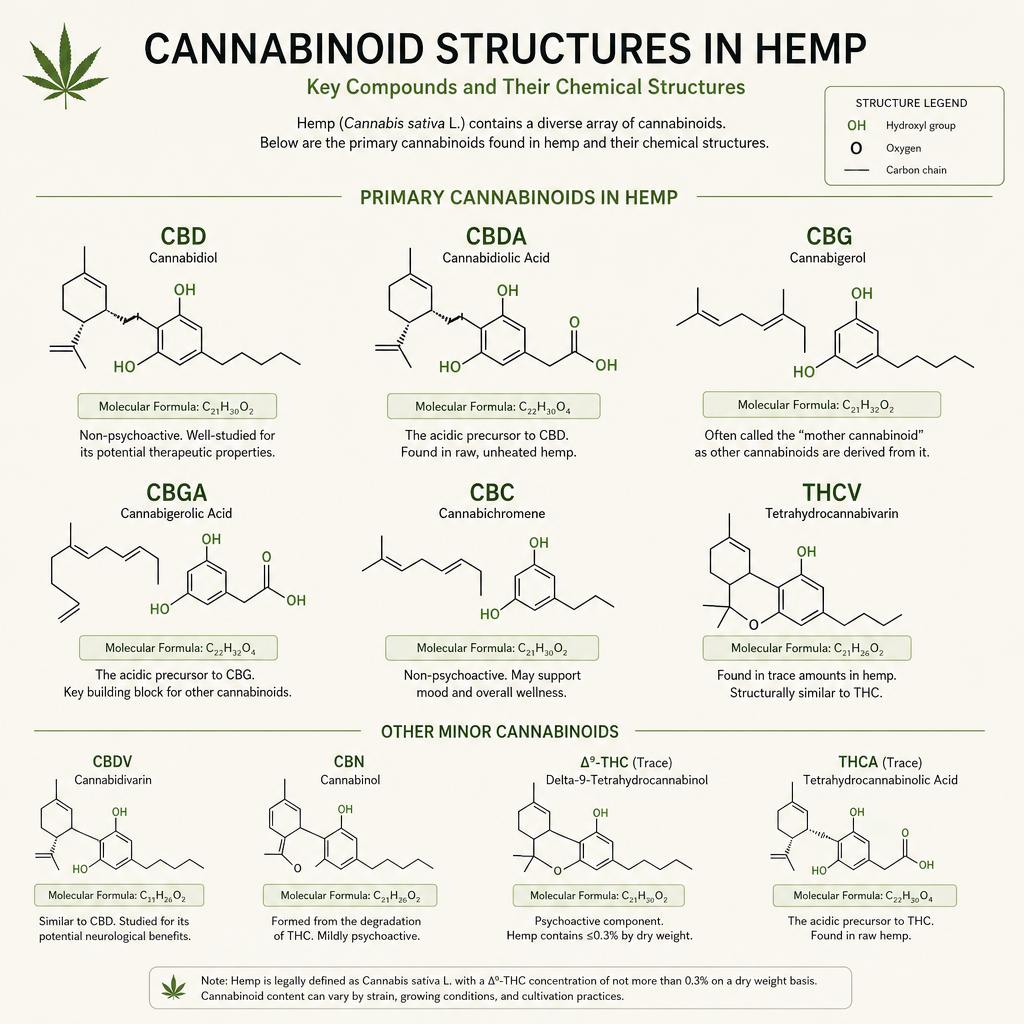
Hemp comes from the Cannabis sativa plant species, but don’t worry—it isn’t the same as marijuana. Even though hemp and marijuana are technically close plant cousins, hemp contains only trace amounts of THC (tetrahydrocannabinol), which is the stuff that gets people “high.” Most countries limit legal hemp to a THC level below 0.3%. So, hemp products won’t give you a buzz.
So what’s the big deal with hemp? For starters, it’s a natural fiber crop that’s been grown for thousands of years. Ancient civilizations used it for rope, sails, food, clothing, and even early paper. These days, hemp is popping up in everything from health foods to home building materials. I’ll go through all that in a minute, but the bottom line is hemp is a super versatile, sustainable plant that’s making a comeback in modern industries.
Hemp’s Deep Roots: The History and Origins of Hemp
Hemp has been part of human history for a seriously long time. Experts trace its cultivation back over 10,000 years. Think ancient China and early Mesopotamia. People used it for its sturdy fibers to make clothing, fishing nets, and ropes. Hemp spread from Central Asia and the Middle East to Europe and later the Americas, carried along trade routes and by migrating farmers.
In colonial America, hemp was such a staple that some farmers were legally required to grow it. The fibers were used to make sails and rigging for ships, which literally moved countries, so it’s not just an ecotrend; it’s a time-tested resource. Hemp’s legal status took a turn in the 20th century when it was lumped together with marijuana in various anti-drug laws, putting the brakes on its growth in North America and other regions for decades. That’s changed a lot over the last few years, with laws relaxing for industrial hemp and research showing its environmental and economic benefits.
What Sets Hemp Apart from Marijuana?
I talk to a lot of folks who ask if hemp and marijuana are basically the same thing. The short answer is: not really. Here’s how I usually explain it:
- THC Content: Hemp has under 0.3% THC, which isn’t enough to make you feel high. Marijuana has much higher levels, often 10% or more.
- Main Uses: Hemp is grown for its fiber, seeds, and oils, while marijuana is cultivated mainly for its psychoactive effects.
- Physical Differences: Hemp plants are tall and skinny, with long stalks and fewer branches. Marijuana plants are shorter, bushier, and have more leaves.
So, you can think of hemp as the practical, hardworking one in the Cannabis family; good for making things, not for getting people stoned.
Where Is Hemp Grown Today?
Hemp farming is spreading across the globe as more countries update their laws. These days, places like Canada, China, the United States, and several European nations lead the pack in hemp cultivation. In the U.S., the 2018 Farm Bill legalized growing industrial hemp for the first time in decades. That’s led to a huge jump in local hemp fields and new jobs in farming, processing, and manufacturing.
Hemp is a pretty tough plant. It grows quickly (about three to four months from seed to harvest), doesn’t need tons of water or pesticides, and even helps clean up contaminated soils by soaking up heavy metals, which is pretty handy for sustainable farming. Many farmers rotate hemp with other crops because it helps enrich the soil with nutrients like nitrogen, making it valuable for better harvests overall.
Main Uses of Hemp in Everyday Life
Hemp’s reputation as a “wonder crop” isn’t just hype. It really does show up everywhere these days. Here are some of the most common and really interesting hemp uses I’ve come across:
- Textiles & Clothing: Hemp fibers turn into sturdy, breathable fabrics used in T-shirts, jeans, shoes, and bags. These fabrics get softer with wear and last a long time, which makes them popular for eco-friendly clothing lines.
- Building Materials: “Hempcrete” is a building block made from hemp stalks mixed with lime. It’s lightweight, breathable, fire-resistant, and used for eco-friendly walls and insulation. Some architects even build entire houses out of hempcrete to keep things green.
- Paper Products: Early paper in China was made from hemp, and you can still find hemp-based paper, notebooks, and packaging. Hemp paper is super strong and breaks down naturally when thrown away.
- Health Foods: Shelled hemp seeds (or “hemp hearts”) are packed with healthy fats, protein, and minerals. I toss them in salads, smoothies, or even sprinkle them on yogurt. They’re known for being allergy-friendly and plant-based; worth checking out for vegans and vegetarians.
- CBD Oil & Health Supplements: Hemp is the source for much of the cannabidiol (CBD) on the market. CBD oil is a non-intoxicating extract sold as drops, capsules, and even in skincare products.
- Bioplastics & Industrial Uses: Some companies use hemp to replace oil-based plastics, designing compostable plastics, car parts, and packaging that break down easily.
Other uses make hemp appear in cosmetics, biofuels, and animal bedding. The list keeps growing every year as companies cook up something new and experiment with hemp’s potential. Aside from these, hemp fibers are being explored for reinforcing concrete, vehicle insulation, and even as alternatives to synthetic materials in industries such as sports equipment.
Key Health Benefits and Nutrition Facts
Hemp seeds are a simple way to boost your smoothie or salad game. Besides tasting nutty and mild, they punch above their weight for nutritional content. Here’s what I love about them:
- Excellent source of plant-based protein, packing all nine essential amino acids
- Rich in omega-3 and omega-6 healthy fats, great for heart health
- Loaded with minerals like magnesium, zinc, and iron
- Free from common allergens like gluten, soy, or nuts
Some research links hemp foods with lower blood pressure, better digestion, and even improved skin health. For anyone tracking down plant-based sources of key vitamins and minerals, hemp is an accessible superfood. Just keep in mind that while hemp seeds and oil are safe for most people, it’s smart to read labels and source from reputable brands to avoid contaminated or low-quality products.
Beyond food and nutrition, hemp seed oil is gaining ground in the skincare world for its natural moisturizing properties. Many users report benefits for dry or sensitive skin, and hemp seed oil’s gentle, non-clogging profile makes it suitable for face and body care routines. It’s also packed with antioxidants and anti-inflammatory compounds, which have led to hemp creams and lotions being touted as supportive for problem skin. While scientific evidence is still emerging, consumer interest is definitely on the rise.
Legal Status and Hemp Regulations
The legal landscape for hemp can be a little tricky, mainly because it often gets confused with marijuana. In many places, hemp farming only became legal again quite recently. The U.S. government, for instance, made hemp federally legal in 2018 as long as it has a THC level at or below 0.3%. Europe varies by country—most allow hemp farming, but regulations for creating and selling CBD or hemp foods are still evolving.
Hemp’s new legal status is giving a boost to farmers and product makers. Local growers have new markets, and online shops often feature hemp goods, but there are still rules about labeling, testing, and advertising these products. Keeping up with your local laws before buying or selling hemp products helps avoid headaches. And as regulations change, it can be easier for businesses to bring innovative products to market, from food and beauty to building materials.
Of note, the regulatory status of hemp-derived products like CBD varies across regions and sometimes even between states or provinces. Anyone interested in processing, selling, or using these items would benefit from staying up to date with changing guidelines. Recent news in the European Union, for example, has signaled increased acceptance for hemp-based foods and extracts. At the same time, the FDA in the U.S. continues to evaluate the use of CBD in mainstream consumables.
Potential Drawbacks and What to Look Out For
Hemp isn’t perfect for every crop, business, or diet, and it’s good to know about potential downsides. Here are a few:
- Cross-Contamination Risks: Hemp can sometimes be grown near marijuana crops, raising the risk of mixing up seeds or pollen. This matters for farmers who need to comply with low-THC rules.
- Market Confusion: Because hemp and marijuana look alike, it can be easy for retailers or buyers to get confused. Always double-check that you’re buying legal hemp, not something else.
- Digestive Issues: While hemp seeds are gentle for most, new eaters might notice digestive changes. Starting with small amounts and drinking lots of water is helpful.
- Supplements May Interact with Medications: If you use concentrated hemp-based supplements or CBD, talking with your doctor first is a smart move.
Additionally, the price of high-quality hemp products can sometimes be higher than non-hemp alternatives. For small businesses or farmers, entry costs and regulatory hurdles may pose a challenge. It’s also worth noting that hemp farming, while generally requiring fewer inputs, can still be vulnerable to crop diseases, pests, and weather conditions. Hence, growers need to rotate crops and maintain healthy fields. As with any new trend, buyers should check company transparency and lab testing results before making a purchase.
Hemp in Modern Innovation: Cool Trends to Watch
Hemp is headed in some fun directions right now. Here are a few recent trends I think are worth following:
- Eco-friendly Building: Companies are building entire prefabricated buildings from hempcrete. Some architects turn to hemp to reduce their projects’ carbon footprint. As this practice expands, it could set a new standard for sustainable construction in both residential and commercial sectors.
- Biofuel Exploration: Researchers are working on converting hemp oil and stalks into clean-burning fuels. Recent projects focus on integrating hemp into large-scale energy transition efforts, offering an alternative to fossil fuels in certain applications.
- High-Tech Hemp Plastics: Big brands in car manufacturing and consumer goods are experimenting with hemp-based bioplastics for interiors and packaging. Some sports companies are testing hemp-composite materials for durable, lightweight equipment such as snowboards and bike frames.
- Wellness Products: You’ll keep seeing new CBD-infused snacks, drinks, and beauty products launch, backed by better quality control and third-party lab tests. Consumers are also showing interest in blends that combine hemp extract with other botanicals for targeted wellness support.
Staying on top of hemp news keeps you in the loop for new products, health findings, and legal changes. Subscription boxes, events, and community forums can be fun ways to get involved with the hemp community, share ideas, and test out the latest creations. As the market and research grow, expect to see hemp step up in unexpected places—maybe even in things like 3D printing or eco-friendly packaging innovations.
Frequently Asked Questions About Hemp
There are a bunch of questions that come up when I chat with readers about hemp. Here are a few of the most popular ones, along with my straightforward answers.
Question: Does hemp get you high?
Answer: No, hemp can’t get you high. The THC content is way too low to have any intoxicating effects, which is why it’s legal in so many places.
Question: Is hemp safe to eat?
Answer: Yes, hemp seeds, oil, and protein are generally safe for most people. If you have specific food allergies or take certain medications, double-check with your healthcare provider.
Question: How does hemp help the environment?
Answer: Hemp is a sustainable crop that uses less water and pesticides compared to cotton and helps clean up soil. It’s also fully biodegradable and can even provide a short-term carbon-sink effect—great for anyone aiming to reduce their environmental footprint.
Question: Can you grow hemp at home?
Answer: It depends on your local laws. Some regions let individuals grow small amounts of hemp for personal use, but you’ll usually need a permit or need to meet strict requirements. Always ask your regional agriculture authority or check local guidelines before planting anything.
Question: What’s the difference between hemp oil and CBD oil?
Answer: Hemp oil (also called hempseed oil) is cold-pressed from the seeds and is used as a food oil. CBD oil is extracted from the flowers, leaves, and stalks and used for its wellness effects. They’re pretty different products, so it helps to read the label when choosing one for your needs.
Quick Final Take: My Tips for Finding Your Way with Hemp
Learning about hemp is a smart move whether you’re interested in nutrition, sustainability, or looking for green alternatives. Shop from trusted sources, read your labels, and stay up to date with your local laws. Trying out hemp products—like food, paper goods, or even clothes—can be a small way to make a positive impact, and you might find some new favorites. Remember, sticking with transparent and responsible brands makes it easier to enjoy the full range of hemp’s benefits.
I’d love to know if you’ve tried any hemp products or are curious about a specific use. What’s one hemp item you want to try (or already love)? Do you have any questions or thoughts on sustainable crops like hemp? Drop a comment or share your experience, and let’s keep the conversation going!